
Differences Between Kitchens and Hospitals
Risk Level
- Kitchens: The risk is primarily foodborne illness and cross-contamination.
- Hospitals: The risks are much higher due to the presence of pathogenic microorganisms that can cause severe infections, especially in immunocompromised patients.
Cleaning Frequency
- Kitchens: Surfaces are disinfected after each use, especially if they come in contact with raw foods.
- Hospitals: There is a higher frequency of cleaning, and disinfection must be done at regular intervals throughout the day, particularly in areas with high patient turnover.
Types of Disinfectants
- Kitchens: Food-safe disinfectants are essential.
- Hospitals: Medical-grade disinfectants and sterilization methods like autoclaving are often required.

Chembio Offers a Proudly South African Disinfection Range. Products and Solutions tailor made for complete cleaning and disinfection.
- Regular hand hygiene is fundamental in both settings, but especially in hospitals.
- Cleaning and disinfection protocols should be tailored to the specific environment.
- In kitchens, focus on food safety and avoiding cross-contamination.
- In hospitals, a higher level of disinfection is necessary, especially in patient care areas, to reduce the risk of hospital-acquired infections.

Hygiene and disinfection are crucial in both kitchens and hospitals due to the high risk of contamination and the need to maintain a clean environment to prevent illness and infection. While the principles of hygiene and disinfection are similar in both settings, the specific protocols and standards differ based on the level of risk and the nature of the environment.
Hygiene and Disinfection in Kitchens
Kitchens, whether at home or in a commercial setting, are prone to bacterial contamination, cross-contamination, and foodborne illnesses. Proper hygiene and disinfection practices help reduce these risks.
Food Safety
- Proper Handwashing: Hands should be washed thoroughly before handling food and after touching raw meats, using the restroom, or touching any potential contaminants.
- Cross-Contamination Prevention: Always separate raw meat, poultry, seafood, and eggs from ready-to-eat foods. Use separate cutting boards, knives, and utensils.
- Temperature Control: Keep food at safe temperatures (below 5°C/41°F or above 60°C/140°F). Use food thermometers to ensure that foods are cooked to safe temperatures.
- Cleaning and Disinfecting Surfaces: After preparing each type of food, clean countertops, cutting boards, and utensils with warm water and soap. Disinfect with an appropriate food-safe sanitizer.=
Cleaning and Sanitizing
- General Cleaning: Use a multi-purpose cleaner for surfaces that may come into contact with food.
- Disinfection: After cleaning, use a food-safe disinfectant to kill harmful microorganisms.
- Frequencies: High-touch surfaces like countertops, handles, and faucets should be disinfected multiple times throughout the day, especially after meal prep or handling raw food.
Cleaning Equipment
- Dishwashers: Should be checked regularly to ensure they reach the correct temperature for sanitizing dishes.
- Cleaning Cloths/Sponges: Change dish cloths and sponges frequently to avoid cross-contamination. Wash them in hot water.


Hygiene and Disinfection in Hospitals
Hospitals have a much higher level of infection risk because of the presence of vulnerable patients with compromised immune systems. Here, disinfection must meet strict guidelines to control hospital-acquired infections (HAIs).
Infection Control
- Hand Hygiene: Healthcare workers must wash hands frequently using alcohol-based hand sanitizers or soap and water. Hand hygiene is the most effective way to prevent the spread of infections.
- Personal Protective Equipment (PPE): Gloves, gowns, masks, face shields, and other PPE should be used as necessary to protect healthcare workers and patients from exposure to pathogens.

Disinfection Protocols
- Terminal Cleaning: After a patient has been discharged or transferred, deep cleaning and disinfection of the room is essential to remove any lingering pathogens.
- High-Touch Areas: Disinfect high-touch surfaces like bedrails, call buttons, light switches, doorknobs, and sinks multiple times a day, especially after patient contact.
- Specialized Disinfectants: Use hospital-grade disinfectants that are proven effective against a wide range of pathogens, including bacteria, viruses, and fungi. These include disinfectants with chlorine bleach, hydrogen peroxide, or quaternary ammonium compounds.
Cleaning Protocols
- Daily Cleaning: High-risk areas like patient rooms, ICU units, operating rooms, and bathrooms require frequent cleaning.
- Isolation Precautions: In isolation rooms, extra care must be taken with disinfection, and any items that may come in contact with infected patients (such as IV poles or patient equipment) should be regularly cleaned.
- Infection Control in Operating Rooms: After every surgery, operating rooms must undergo rigorous cleaning procedures, including wiping down surfaces and sterilizing equipment.
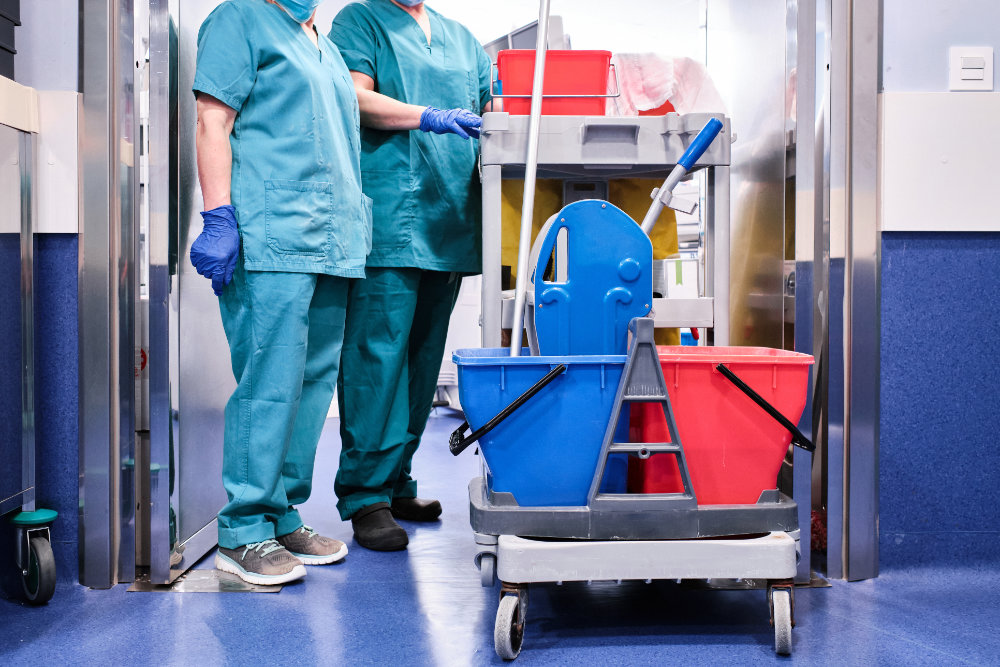
Sterilization of Medical Equipment
- Autoclaving: Tools that come into direct contact with body tissues or fluids must be sterilized, often through autoclaving (using steam at high pressure).
- Disinfection for Non-Critical Equipment: Non-invasive equipment like thermometers, stethoscopes, and blood pressure cuffs should be disinfected with hospital-grade disinfectants.
Air Quality Control
- Use HEPA filters in certain areas to maintain air cleanliness and prevent airborne pathogens.
- Regular cleaning of air ducts and vents to minimize the spread of airborne infections.