Education
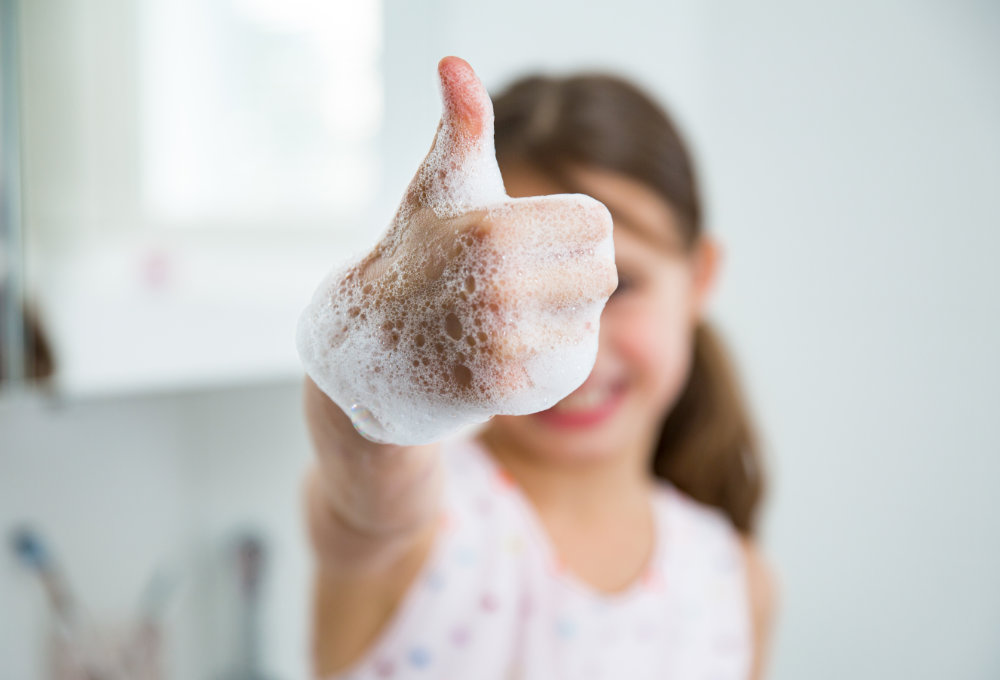
Disinfection services tailored specifically for educational institutions are crucial for maintaining a safe and healthy environment for both students and staff. With a focus on hygiene and safety, Chembio provides services to help prevent the spread of illnesses, especially in the current climate where health concerns remain top of mind.
Targeted Disinfection Areas
- Classrooms: Desks, chairs, whiteboards, smartboards, and other surfaces that students and teachers interact with frequently.
- Restrooms: High-touch areas like faucets, door handles, and toilet flushers.
- Hallways and Common Areas: Disinfecting floors, walls, handrails, and any high-touch spots.
- Cafeterias and Kitchens: Ensuring food preparation areas and dining tables are sanitized properly.
- Libraries: Bookshelves, study desks, computers, and seating areas.
- Playgrounds and Sports Facilities: Equipment, benches, and frequently touched surfaces that kids engage with.
- Admin and Staff Rooms: Disinfecting workspaces, phones, keyboards, and other office tools.
Disinfection Techniques
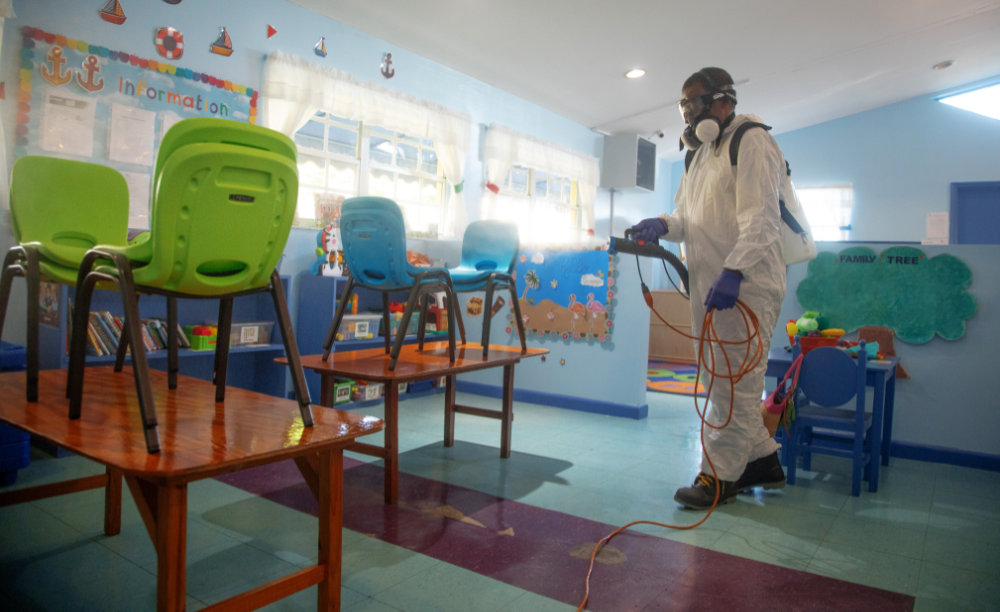
- Electrostatic Spraying: Uses a charged solution to ensure even and efficient disinfection, especially on large surfaces.
- UV-C Light Disinfection: Ultra Violet light can be used to kill bacteria, viruses, and germs in hard-to-reach areas.
- Fogging: Fine mist sprays chemicals over large areas to disinfect spaces quickly.
- Manual Wiping: High-contact areas like desks, door handles, and restrooms often require manual disinfection with wipes or cloths.
- Ozone Cleaning: Used for air purification and to sanitize hard-to-reach areas.
Eco-Friendly and Safe Cleaning Products
Educational institutions require disinfection methods that are not only effective but also non-toxic and safe for children, especially younger age groups. The use of:
- Approved Disinfectants: Products that kill viruses and bacteria but are safe for school environments.
- Green Cleaning Products: These are less harmful to the environment and use natural ingredients to disinfect without strong chemicals.
Frequency of Service
- Daily Disinfection: High-contact areas like desks, doorknobs, and restrooms should be disinfected daily, particularly during flu season or any pandemic-related situation.
- Weekly Deep Cleans: A more thorough disinfection of larger spaces such as classrooms, auditoriums, and gyms.
- Special Occasions: After a confirmed case of illness in the institution, immediate deep cleaning might be necessary to ensure safety.
Staff Training
- Educators and custodial staff should be trained on how to properly maintain cleanliness and hygiene in classrooms and other spaces, ensuring the right protocols are followed in between professional disinfection services.
Safety Protocols
- Personal Protective Equipment (PPE): Disinfection personnel should be equipped with masks, gloves, and other protective gear to prevent contamination.
- Disinfection Post-Closure: In the event of a school closure (due to illness outbreaks), deep cleaning and disinfection services are often scheduled while the building is empty.
Air Purification
- Installing HEPA filters in HVAC systems and using air purifiers in classrooms and common areas to improve air quality.
- Regular maintenance of air systems to prevent the circulation of germs and allergens.
Ongoing Monitoring and Evaluation
- Chembio disinfection services also offer regular assessments of cleaning protocols, including feedback from staff, students, and parents, to improve future cleaning cycles.
- Reporting: Providing a full report on what areas have been cleaned and what products have been used.